
Case

Application

FAQ
How to Ensure the Stability of Coating Equipment in the Coating Process?
Case|How to Ensure the Stability of Coating Equipment in the Coating Process?In semiconductor processes, abnormal vibrations during coating deposition can lead to uneven coating. How can equipment measurement help verify process stability?
Coating Methods
Coating methods can generally be categorized into dry coating and wet coating. Wet coating, which does not require a vacuum environment, is more suitable for mass production and is widely used in industrial applications. The coating liquid is evenly applied to the substrate, followed by a drying and curing process to form a solid thin film.

Principle of Spin Coating
Spin coating is a wet coating process where a substrate (such as a silicon wafer or other smooth object)
is held in place by vacuum suction. The coating liquid is dispensed at the center of the object, and centrifugal force
from spinning evenly distributes the liquid across the surface, expelling excess liquid to form a thin film.
Factors such as rotational speed, spin duration, and drying rate affect the thickness of the formed film.
If the equipment experiences abnormal vibrations during the process, it can lead to uneven coating.
Solution and Monitoring Explanation
VMS-PH Dynamic Quality Analysis Instrument
Using the dynamic analysis features of VMS-PH, we can measure the operating status of the coating machine
and the nozzle rotation speed. By comparing vibration signals at different speeds,
we can determine process stability. The system can monitor and diagnose individual operations,
helping to identify anomalies or unstable conditions early, enabling predictive maintenance to avoid unexpected failures.
Measurement Conditions
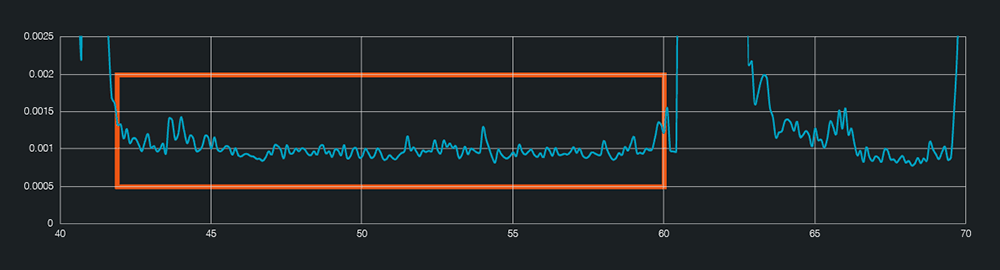
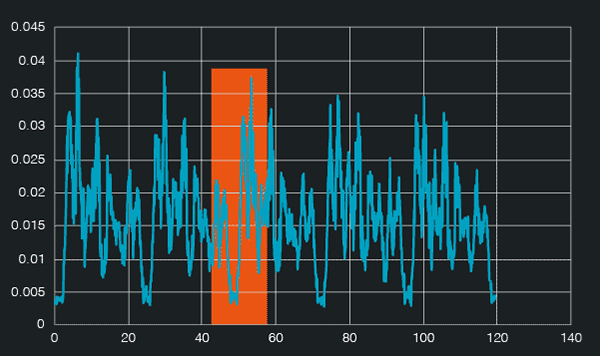
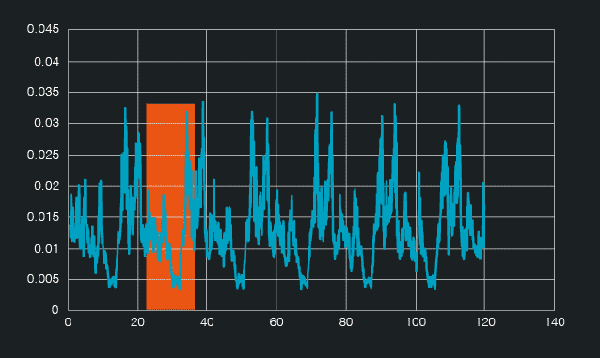
1. Comparison of Acceleration and Deceleration Performance of Coating Machine STAGE
• Measurement Position: Parallel to the STAGE movement direction on the marble table.
• Measured Machine: 001
• Measurement Method: Compare dynamic performance at process speeds of 80 and 120.
• Test Objective: To analyze differences in acceleration and deceleration.
Speed 80
Speed 120
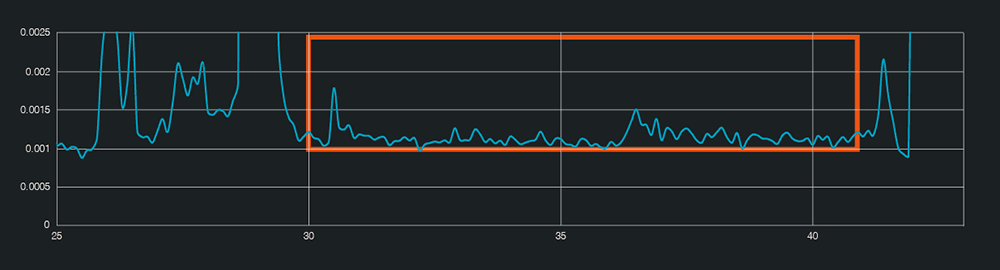
At process speed 120, the coating dynamic signals are higher than at speed 80.
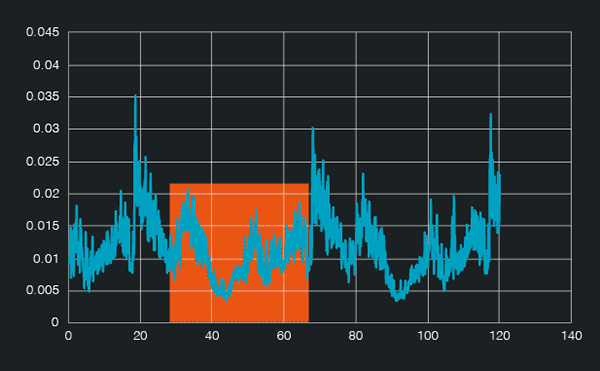
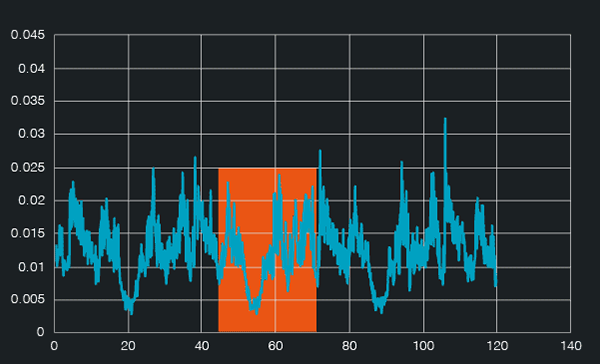
2. Comparison of Nozzle Operation at Different Speeds
• Measurement Position: Magnetic attachment at the vertical position of the nozzle rail.
• Measured Machine: 002
• Measurement Method: Compare operation at speeds of 80, 120, 180, and 240.
• Test Objective: To analyze acceleration and deceleration differences.
Speed 80
Speed 120
Speed 180
Speed 240
Measurement Conclusion
The VMS-PH dynamic analysis function compares the dynamic signal results of target machine operations, allowing early detection of small changes caused by instability, wear, aging, damage, or resonance. This enables predictive maintenance to prevent unexpected failures.
VMS-PH Equipment Dynamic Quality Analyzer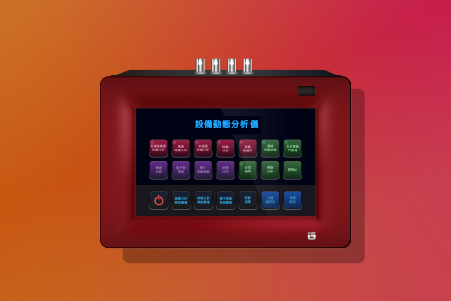
VMS-PH
Gain insights into equipment component conditions.
FAQ
Why does the Spin Coater coating process need equipment stability monitoring?
The Spin Coater distributes the coating liquid evenly on the surface of the wafer or smooth substrate through centrifugal force. If the equipment generates abnormal vibration during rotation, acceleration/deceleration, or Nozzle movement, it may cause uneven coating, film thickness deviation, and unstable process quality. Therefore, it is necessary to confirm whether the equipment is operating stably through dynamic signal measurement.
Does the rotation speed of the spin coater affect film thickness?
Yes. In the spin coating process, the rotation speed, rotation time, drying speed, and characteristics of the coating liquid will all affect the final film thickness. Usually, changes in rotation speed will alter the centrifugal force and the spreading state of the liquid. Therefore, if the dynamic signals of the equipment are unstable at different rotation speeds, it may cause a decrease in film thickness consistency.
How does abnormal equipment vibration affect Coating quality?
Abnormal equipment vibration may cause uneven distribution of the coating liquid, local thickness variations, surface ripples, uneven edges, or an unstable drying process. For semiconductor coating processes, these problems may further affect the quality of subsequent exposure, etching, or packaging processes.
How does VMS-PH confirm the process stability of the Spin Coater?
The VMS-PH Equipment Dynamic Quality Analyzer can measure the dynamic signals of the Coating machine and Nozzle at different speeds, and compare the vibration changes during STAGE acceleration/deceleration, Nozzle slide rail operation, and individual target actions. Through signal differences under different speed conditions, it can be determined whether the equipment has instability, wear, aging, damage, or resonance.
Why compare the dynamic signals of the STAGE at different process speeds?
Comparing the dynamic signals of the STAGE at different process speeds helps to understand whether abnormal changes occur when the equipment accelerates, decelerates, or runs steadily. In this case, comparing process speeds of 80 and 120, the results show that the Coating dynamic signal at speed 120 is higher than at speed 80, which can serve as a basis for subsequent equipment specifications and status judgment.
What are the benefits of implementing Spin Coater dynamic monitoring?
After implementing Spin Coater dynamic monitoring, the stability of the STAGE, Nozzle, and key actions can be grasped, detecting subtle state changes early, and reducing the risks of uneven coating and unexpected downtime. Through long-term trend management, it can also assist in establishing an equipment predictive maintenance mechanism, improving coating process quality and equipment reliability.
Further Reading
The impact of environmental micro-vibration on Laser Grooving machines?
Operating status of the Bond Head arm on the die bonder?
How to perform measurements on a wafer grinding spindle?
How to ensure the stability of the photoresist coating machine's arm?
VMS-PH Equipment Dynamic Analyzer
Unsure about your equipment problem?
Maintenance speed increased by 7 times, saving annual maintenance budget