
Case

Application

FAQ
What is Hydrogen Energy? Understand Green, Blue, Grey Hydrogen and Enterprise Applications at a Glance
FAQ|What is Hydrogen Energy?This article will quickly summarize the operating principles of hydrogen energy, its pros and cons, the differences between hydrogen fuel cells and lithium batteries, the classification of green and blue hydrogen, and how enterprises should manage energy after adopting hydrogen energy.
The Most Promising Hydrogen Energy?
In November 2023, CPC Taiwan set up the first mobile hydrogen refueling station in Taiwan. You may not know that, besides gasoline cars, EV charging stations, and hybrid vehicles, hydrogen-powered electric vehicles will soon be an option. Hydrogen energy aims to replace the petroleum-based economy and is expected to become a key solution to energy shortages and achieving net-zero carbon emissions in the future.
Hydrogen energy is a type of energy that uses hydrogen as fuel and converts chemical energy into electricity via fuel cells. Hydrogen fuel cells function by continuously adding hydrogen to maintain power. This characteristic classifies hydrogen as a new energy source. The working principle of fuel cells involves two electrodes—positive and negative—filled with an electrolyte and separated by a permeable membrane.
Source: Online News, Taiwan Hydrogen & Fuel Cell Partnership, Tech Insights, Wikipedia
Hydrogen Energy?
Advantages & Disadvantages of Hydrogen Energy
Advantages
1. Hydrogen fuel cells produce only water as a byproduct, without carbon emissions.
2. Hydrogen can be obtained through water electrolysis, ensuring an abundant supply.
3. Hydrogen serves as an energy carrier, offering easy distribution and long-term storage capabilities.
4. Hydrogen fuel cells generate three times the energy of petroleum and five times that of natural gas per kilogram.
5. Besides being an energy source, hydrogen is also a crucial raw material for the chemical industry.
Disadvantages
1. Carbon emissions during production: Although hydrogen usage does not generate carbon emissions, its production currently relies on burning coal, oil, or natural gas for heat energy, leading to carbon emissions that may counteract its benefits.
2. Storage challenges: Hydrogen is lightweight and has low density, requiring large storage spaces. It is highly unstable and prone to leaks, increasing the risk of fires or explosions. Hydrogen has a minimum explosive concentration of 4%, making it more volatile than natural gas.
Comparison: Hydrogen Fuel Cells vs. Lithium Batteries
The Tesla Model 3, equipped with the highest energy-density lithium-ion battery (21700 type), has an energy density of only 300 Wh/kg and requires 8 hours of home charging for a 210 km range. In contrast, a hydrogen fuel cell vehicle can refuel in just 3 minutes and achieve a 600 km driving range. From a user experience perspective, hydrogen fuel cells significantly outperform lithium batteries in reducing range anxiety.
Comparing Japanese hydrogen-powered cars and pure EVs, hydrogen cars take only 5-10 minutes to refuel and can travel up to 750 km, while fast-charging an EV for 30 minutes only fills 80% of the battery. This makes hydrogen a strong candidate for the most promising new energy source.
Hydrogen Storage Technologies?
Hydrogen storage technology is a key focus in hydrogen energy development. Currently, **high-pressure hydrogen storage** has been successfully commercialized and is widely used in hydrogen fuel cell vehicles, while other storage methods are under active development.
Although liquid hydrogen has great potential, its insulation material costs are high. In 2022, Japan's Kawasaki Heavy Industries developed the world's first liquid hydrogen transport vessel, which successfully carried its first shipment from Melbourne, Australia, to Kobe, Japan, marking a new milestone in global hydrogen shipping.
Hydrogen storage alloys are currently the most promising hydrogen storage material.
To prepare for the hydrogen era, various new hydrogen storage and transportation technologies are actively being developed. Each method has its pros and cons, and the challenge remains to enhance efficiency, lower costs, and improve safety. Policy support, research, and technological breakthroughs are essential for widespread adoption, contributing to the **2050 carbon reduction goal**.
Types of Hydrogen Energy?
What Do the Different Hydrogen Colors Mean?
Green hydrogen is costly to produce, while gray and blue hydrogen result in carbon emissions, making them less environmentally friendly. Additionally, pink hydrogen, derived from nuclear energy, raises concerns. Governments are accelerating hydrogen industry development, including hydrogen production, storage infrastructure, and imports, with initiatives like "Taiwan Hydrogen Valley." The goal is for hydrogen to account for **9-12% of Taiwan’s power generation by 2050**.
Green Hydrogen: Produced via electrolysis using renewable energy sources such as solar, wind, and hydro.
Gray Hydrogen: The most common and cost-effective, derived from natural gas and petroleum through steam reforming.
Brown Hydrogen: Generated from coal gasification.
Blue Hydrogen: Derived from gray hydrogen but with carbon capture technology to store CO₂ emissions.
Pink Hydrogen: Produced using nuclear power through electrolysis.
Managing Energy Efficiency and Carbon Reduction Simultaneously?
EMS Smart Energy Management System
As businesses are increasingly required to achieve carbon neutrality or emission reduction goals in their processes to support global sustainability efforts, effective energy management has become a crucial step toward sustainable production.
Source: Online News, Taiwan Hydrogen & Fuel Cell Partnership, Tech Insights, Wikipedia
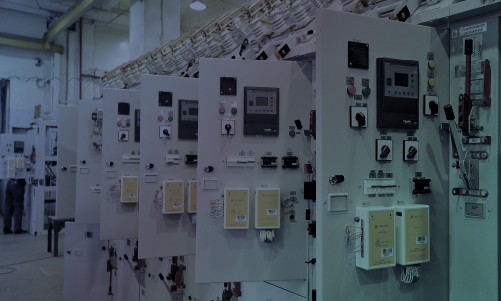
Smart Energy Management System
#DigitalTransformation #IoT #ESGFAQ
What is hydrogen energy?
Hydrogen energy uses hydrogen as an energy carrier, converting its chemical energy into electrical or thermal energy through fuel cells or other conversion methods. Hydrogen itself is not a primary energy source; it needs to be produced via natural gas reforming, coal gasification, or water electrolysis. If renewable energy is used during the production process, overall carbon emissions can be significantly reduced.
What are the pros and cons of hydrogen energy?
Hydrogen energy boasts advantages like high specific energy, long-term storage capabilities, functioning as a renewable energy storage carrier, and producing mainly water at the fuel cell endpoint. However, it currently faces challenges such as high production costs, low energy conversion efficiency, difficulties in storage and transportation, insufficient infrastructure, and safety management requirements.
What are the differences between green, blue, and gray hydrogen?
Green hydrogen is produced primarily by electrolyzing water using renewable electricity, resulting in low carbon emissions. Gray hydrogen is typically produced from fossil fuels like natural gas, generating more carbon dioxide. Blue hydrogen is also produced from fossil fuels but is paired with carbon capture and storage (CCS) technologies to mitigate carbon emissions.
What is the difference between hydrogen fuel cells and lithium batteries?
Hydrogen fuel cells generate electricity by continuously supplying hydrogen gas, making them suitable for applications requiring fast refueling, long range, or high energy demands. Lithium batteries store electrical energy directly with a simpler energy conversion process, and are currently more mature in passenger vehicles and storage systems. Each has its pros and cons regarding energy efficiency, setup costs, refueling/charging times, and infrastructure needs.
Why is it important to emphasize storage and safety management for hydrogen energy?
Hydrogen has a low density and small molecular size, requiring high-pressure, low-temperature liquefaction, or other special technologies for storage and transportation. It also has a wide flammability range, making hydrogen storage equipment, pipelines, leak detection, ventilation, and safety monitoring critical management items for hydrogen energy systems.
Do enterprises still need energy management after adopting hydrogen energy?
Yes. Hydrogen energy is only one part of an enterprise's energy structure. Real carbon reduction still requires tracking power consumption, demand, power factor, equipment efficiency, and carbon emissions. Continuously collecting and analyzing energy data through an EMS (Energy Management System) helps enterprises identify high energy-consuming equipment, abnormal usage, and energy-saving opportunities to build a more comprehensive energy and carbon management mechanism.